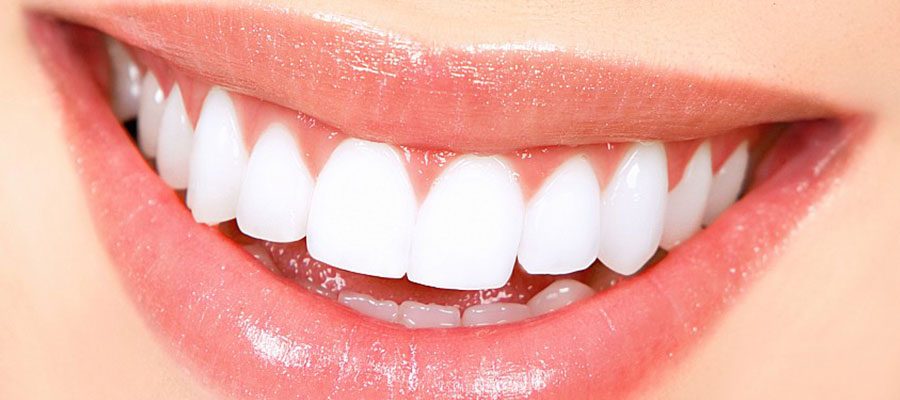
Increasing aesthetic expectations in today’s contemporary dentistry practices have made all-ceramic restorations and zirconium-supported restorations more preferable due to their resemblance to natural teeth. In porcelain crown and bridge applications, a metal substructure has been used for durability. Since the drawbacks of this metal substructure in terms of gums, dental tissue, general body health and aesthetics are known, the search for an alternative material to metal in porcelain substructure has emerged. The optical properties and integrity of these materials allow them to perfectly mimic natural tooth tissue. The light incident on the restoration is refracted in different ceramic layers and transmitted to the gingiva. In this way, the gums get a vibrant, fresh, pink color as in natural teeth, and the desired pink aesthetic is achieved. In metal-supported restorations, the incoming light is reflected from the metal surface, causing an unnatural opaque appearance and a gray band on the gingival margins.
Advantages of zirconium-supported restorations and all-ceramic restorations
– They allow light to pass through and the color of the gingiva is preserved at the restoration edge.
– They have a high aesthetic potential.
– They show high similarity with natural teeth in terms of their optical properties.
– Secondary caries under the restoration is less common due to minimal microleakage.
– Tissue compatibility is the best of all restorative materials.
– Their clinical lifespan is longer due to high tissue compatibility.
– The absence of metal substructure eliminates the risk of metal allergy and toxic reactions.
– Since they are usually produced with the help of computer-aided technologies, their production is easier and more reliable.